Stucco crack repair before exterior painting is the step homeowners are most tempted to skip, and it's the one that causes the most callbacks. A fresh coat of paint over an unrepaired crack doesn't hide the problem, it just gives the crack a new surface to reopen through within a season or two.
The good news: most stucco cracks aren't a structural emergency. Telling the difference is straightforward once you know what to look for, and getting it right before the painter shows up saves both money and a second repaint down the line.
Most Cracks Are Cosmetic, Not Structural
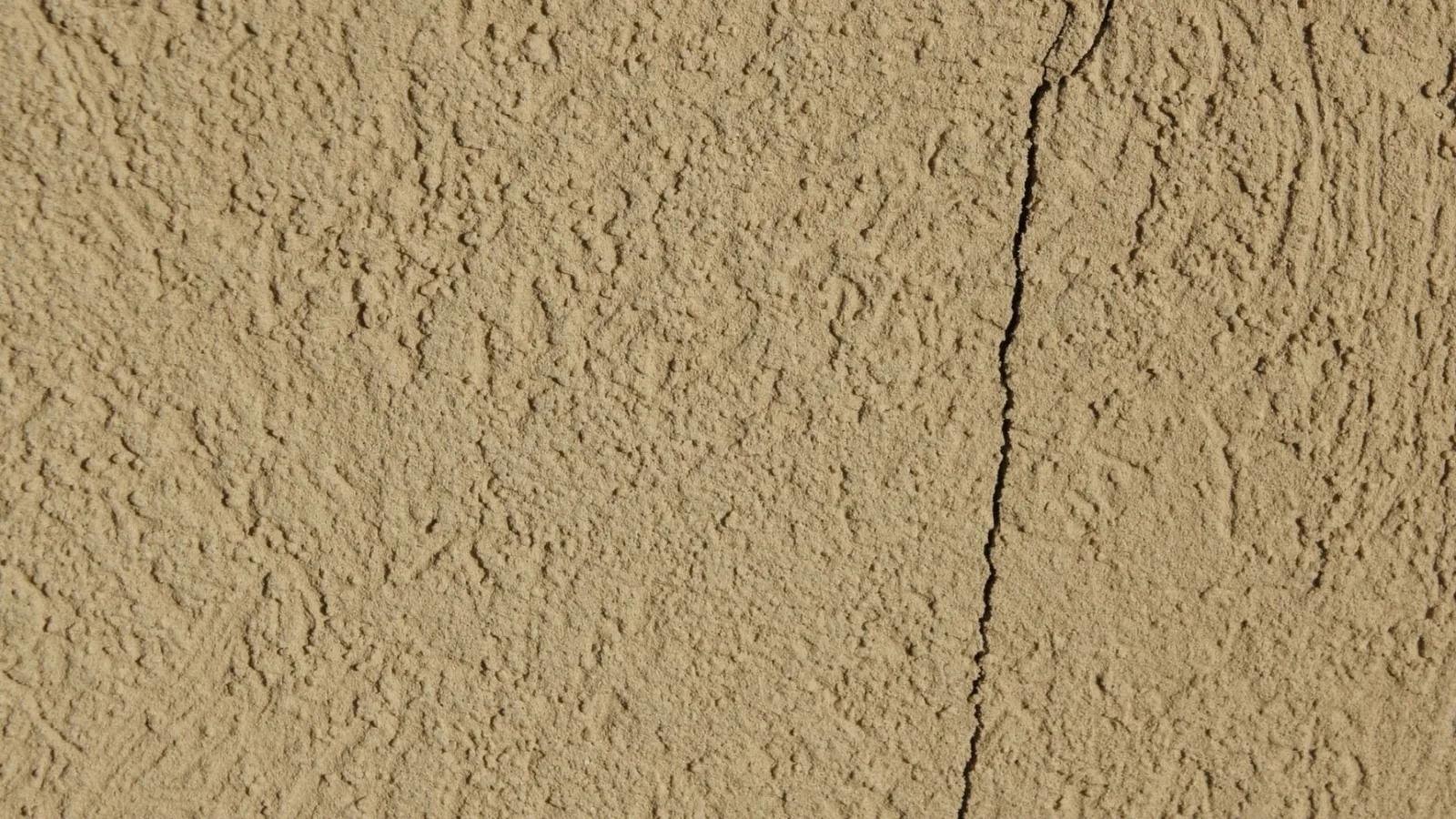
According to the Stucco Manufacturers Association's own crack policy, stucco is a rigid cement-based membrane, and minor cracking at corners, around doors and windows, and at other stress points is a normal and expected part of how the material behaves, not a sign of building failure. Two forces cause most of it: shrinkage as the cement cures, and ordinary thermal movement as the wall expands and contracts with temperature swings, which is especially relevant in North County's daily shift between cool coastal mornings and warmer inland afternoons.
The association's own guidance is that hairline cracks under about 1/16 of an inch generally don't need repair at all unless they're a source of water intrusion or visible from normal viewing distance. Patching cracks that thin can sometimes look worse than leaving them alone, since new patch material cures a different shade than weathered surrounding stucco. A simple field test many contractors use: if the edge of a credit card slides over the crack without catching, it's almost certainly in hairline territory.
When a Crack Signals Something Bigger
The cracks worth taking seriously are wider than about 1/8 inch, run in a diagonal or stair-step pattern, or show edges that don't line up evenly on either side. These patterns point toward foundation movement or settling rather than normal material shrinkage, and painting over them without addressing the underlying cause means the new paint job will crack again in the same spot, usually within a year.
If a crack like this shows up alongside sticking doors or windows, or matching cracks on interior drywall in the same corner, it's worth a structural evaluation before any exterior painting is scheduled. Patching cosmetically over an active structural issue just delays a more expensive fix. It's also worth watching whether a crack has been patched before and reappeared in the same spot; a repeat crack in the same location is one of the clearer signals that the movement causing it hasn't actually been resolved, even if the surface was made to look fine temporarily.
Prep the Crack, Don't Just Paint Over It
For genuinely cosmetic cracks, the standard repair is a flexible, paintable elastomeric caulk worked into the gap, allowed to fully cure, and then coated, ideally with an elastomeric paint that can stretch with the stucco's normal thermal movement rather than a rigid standard exterior paint that will simply crack again along the same line. Skipping this step and painting directly over an unsealed crack is the single most common reason a fresh stucco repaint looks tired again within a year.
This is also where a professional exterior painting crew earns its fee over a DIY job: matching the existing texture on a patched area is harder than it looks, and a poorly textured patch shows through even a good paint job. When multiple patches are scattered across one elevation, a full-wall approach, rather than spot-repairing each crack individually, usually gives a more even, less visibly patched result once the final coat goes on.
What to Expect From a Professional Assessment
A contractor walking a stucco exterior before quoting a repaint should be sorting cracks into categories as they go: hairline cracks that need no repair, cosmetic cracks that need caulk and elastomeric coating, and anything that looks structural enough to flag for a separate evaluation before painting proceeds. A quote that doesn't distinguish between these, that simply lists "crack repair" as a flat line item regardless of what's actually on the wall, is worth asking more questions about before signing.
Getting the Prep Right Before the Paint Goes On
Stucco crack repair before exterior painting comes down to correctly sorting cosmetic hairline cracks from structural warning signs, then sealing the cosmetic ones with a flexible material that moves with the wall instead of fighting it. Get this step right and the paint job actually lasts as long as it's supposed to.
For a stucco exterior repaint in North County San Diego, request a free quote. Every estimate includes an assessment of crack repair needed before any paint goes on.
Frequently Asked Questions
How can I tell if a stucco crack is just cosmetic?
Hairline cracks under about 1/16 of an inch are usually cosmetic shrinkage or thermal cracks. If the edge of a credit card slides over it without catching, it's very likely in that category.
What size stucco crack needs professional evaluation?
Cracks wider than about 1/8 inch, diagonal or stair-step patterns, or cracks with misaligned edges are worth a structural evaluation before painting.
Can I just paint over a stucco crack?
Not without repair first. Painting directly over an unsealed crack, especially with rigid standard paint, almost always results in the crack reopening within a year.
What kind of paint is best for cracked or crack-prone stucco?
An elastomeric paint that can stretch with the stucco's natural thermal movement, applied after the crack has been sealed with a flexible elastomeric caulk.
Why does a stucco crack keep coming back after being patched?
A crack reopening in the same spot after a previous patch is one of the clearer signs that whatever movement caused it in the first place hasn't actually been resolved.
Free written estimates across North County San Diego.
Licensed #699636, fully insured, 3-year warranty on every project.