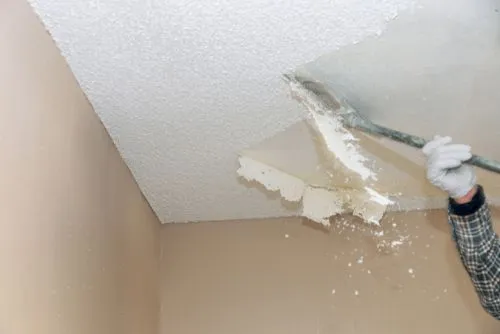
The wallpaper is gone, but the wall is not ready for its new color. You can see seams, patches of adhesive and a few places where the drywall paper came away with the covering. That is a different starting point from repainting a sound, previously painted wall.
Wall retexturing after wallpaper removal is about getting the exposed surface into suitable condition and agreeing on the finish you want. In a North County San Diego home, the right scope might involve local repairs, a broader skim coat, matching an existing texture or changing the whole room. The wall needs an assessment before that decision is made.
Find out what the wallpaper was hiding
Once the covering is removed, look at the condition with your contractor. Point out torn areas, visible ridges, loose material and old repairs. If you know how many layers were removed or what was used to remove them, share that information too.
A photograph can help explain a concern, but it cannot establish whether a surface is sound. Ask for a walkthrough of the exposed wall before treating the job as a straightforward repaint. The preparation should reflect what is actually there.
Also mention any staining or previous leaks. A finish coat is not the place to resolve an unidentified moisture problem. Have the cause assessed and addressed before agreeing that the surface is ready for cosmetic work.
Separate adhesive residue from damaged drywall
Wallpaper removal can leave more than one type of problem on the same wall. Residue and torn drywall facing are different conditions, even if both look untidy. Ask how each will be handled and which preparation products are proposed.
For example, Rust-Oleum's GARDZ product guidance identifies damaged drywall and wallpaper adhesive residue among the surfaces its sealer is designed to address. That does not make it an automatic prescription for every room. It shows why the contractor should identify the problem surface before choosing a preparation system.
Let the contractor explain the intended sequence and the manufacturer's requirements. Avoid buying a finish paint and assuming it will replace the repair, sealing or priming work the wall may need.
Choose between matching the room and changing it
There are two different conversations here. You may want the repaired area to blend with the texture on adjoining walls. Or you may want to remove the dated appearance and give the room a more uniform finish.
Tell the estimator which result you expect. A small repaired section beside an existing orange-peel texture is not the same scope as smoothing every wall. Include returns, narrow strips beside doorways and areas behind furniture if they matter to the finished room.
AL's Quality Painting offers wall retexturing that includes patching, skim coating, texture matching and whole-room work. Use that service discussion to define the area involved, rather than relying on the single word "retexture" in an estimate.
Agree on a sample before the whole wall is finished
A texture name is a useful starting point, but two people can picture different results when they hear "light texture." Bring a reference photo or point to a wall you like. Then ask whether a sample area is appropriate for your project.
Review the sample under the lighting you normally use. Include nearby windows and fixtures in the conversation, especially if a lamp or wall light draws attention to the surface. Decide what is acceptable before the same treatment is carried around the room.
Keep the approved reference with your other selections. If the goal is a smooth finish, explain what you mean and ask what preparation is included to reach it. A precise discussion at this stage is more useful than a vague promise that the new paint will hide everything.
Plan the repair and painting as connected stages
Find out whether the proposal includes both the retexturing and the final paint. Confirm the walls, trim and ceiling separately. It is easy to assume that a room will be completely repainted when the actual quote covers only repaired wall surfaces.
Ask how the work area will be protected and when you need to clear it. Furniture, curtains, wall-mounted items and anything stored against the affected walls may need attention. Agree who handles those tasks so the crew has access when it arrives.
Drying and recoating should follow the requirements of the actual repair and coating products. Ask for the expected sequence, including any return visit, rather than planning only around the day the old wallpaper comes off.
For a home built before 1978, discuss lead-safe preparation before old painted surfaces are disturbed. The EPA's renovation guidance covers lead-safe work practices for pre-1978 housing. Ask the contractor how the applicable requirements will be addressed for your project.
Check the finish before putting the room back together
At the walkthrough, compare the result with the agreed scope and sample. Look at the places that were patched, the transitions to adjoining surfaces and the edges around doors or fixtures. Raise any concern while the contractor can see exactly what you mean.
Ask when it is appropriate to clean the painted surface or put items back against it. Keep the finish information and care instructions. If you are replacing wallpaper with painted walls, the handover should make clear how to look after the new surface.
Frequently asked questions
Does every wall need a full skim coat after wallpaper removal?
No. The exposed surface and the finish you want determine the scope. Ask the contractor to distinguish local repairs from whole-wall or whole-room work in the estimate.
Can paint hide leftover wallpaper seams and rough patches?
Do not assume it will. Have the surface assessed and agree on the preparation before choosing the final coating. Paint and surface repair have different jobs.
Can the repaired wall match the rest of the room?
Texture matching is an option to discuss. Ask for a suitable reference or sample and confirm the limits of the work before the full surface is finished.
Get a wall retexturing estimate
If wallpaper removal has left rough or uneven walls, AL's Quality Painting & Construction can discuss retexturing and interior painting across North County San Diego. Request a free estimate with photos of the exposed walls and the finish you have in mind.
Free written estimates across North County San Diego.
Licensed #699636, fully insured, 3-year warranty on every project.